The Dental Sedation Process at Smile Montecito: What to Expect

What is Dental Sedation at Smile Montecito like?
Before your appointment, Dr. Farkas will conduct a thorough evaluation to determine the most suitable sedation option for you. He'll review your medical history, discuss any concerns you may have, and address any questions or uncertainties. Our team will provide you with detailed instructions to follow before your sedation appointment, including fasting requirements and post-procedure care guidelines.
On the day of your appointment, you'll arrive at our serene Montecito office, where our friendly staff will greet you warmly. Dr. Farkas will review the treatment plan with you and answer any last-minute questions you may have. Once you're comfortably seated in the dental chair, the sedation will be administered according to the chosen method.
Throughout the procedure, Dr. Farkas will monitor your vital signs and ensure your safety and comfort at all times. After the treatment is complete, you'll rest in our recovery area until the effects of the sedation wear off sufficiently for you to go home.
Before Receiving Dental Sedation
Preparing for sedation dentistry involves several steps to ensure your safety and comfort before, during, and after the procedure:
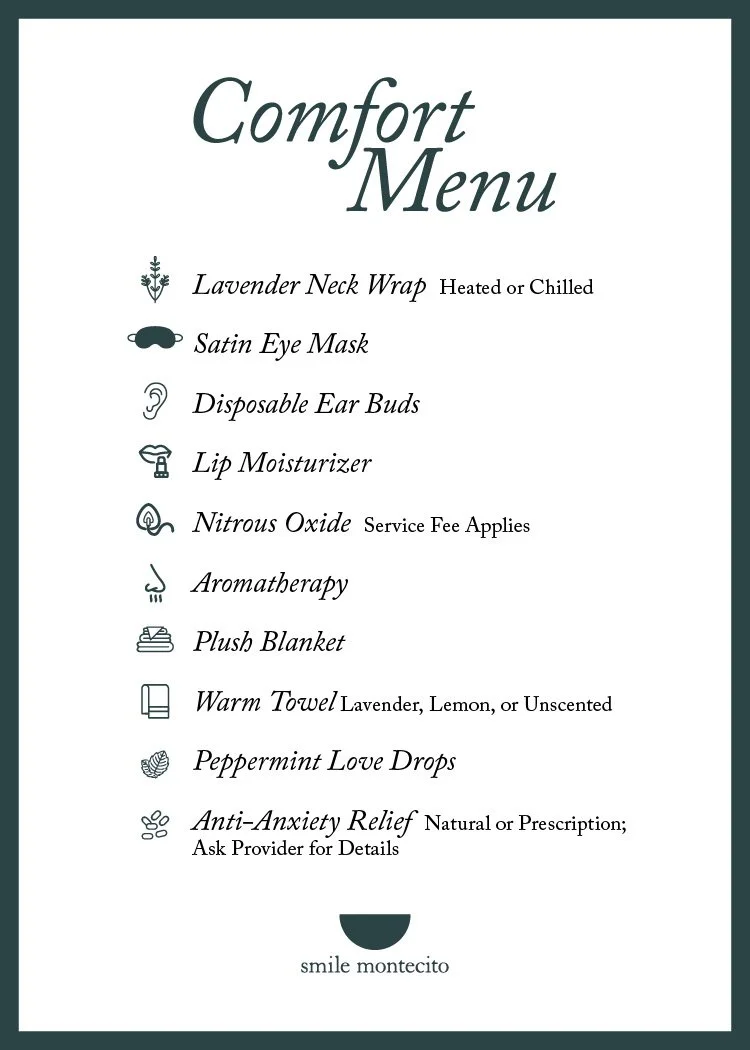
Consultation with Your Dentist: Schedule a consultation with your dentist to discuss your sedation options. Your dentist will review your medical history, current medications, and any allergies to determine the most suitable sedation method for you.
Medical Evaluation: Your dentist may require you to undergo a medical evaluation with your primary care physician or a specialist to assess your overall health and ensure that you're a suitable candidate for sedation.
Follow Pre-Procedure Instructions: Your dentist will provide specific instructions to follow before your appointment. This may include fasting for a certain period before the procedure, particularly if you're undergoing intravenous (IV) sedation.
Arrange Transportation: If you're undergoing sedation that affects your ability to drive, such as oral sedation or IV sedation, arrange for someone to accompany you to the appointment and drive you home afterward. It's not safe to drive or operate machinery while under the influence of sedative medications.
Wear Comfortable Clothing: Dress comfortably for your appointment, and avoid wearing tight clothing or accessories that may interfere with the administration of sedation or monitoring devices.
Communicate Any Concerns: If you have any concerns or questions about the sedation process, don't hesitate to discuss them with your dentist beforehand. It's essential to address any worries or uncertainties to ensure a smooth and comfortable experience.
Arrange for Aftercare: Depending on the type of sedation you receive, you may need someone to assist you at home after the procedure. Arrange for someone to stay with you for a few hours to monitor your condition and assist with any post-operative instructions provided by your dentist.
Follow Post-Procedure Instructions: Your dentist will provide specific post-operative instructions to follow after the procedure, including guidelines for eating, drinking, and taking medications. It's essential to follow these instructions carefully to promote healing and minimize any potential complications.
Table of Contents:
What to Expect with Each Type of Sedation
1. Local Anesthesia
2. Nitrous Oxide
3. Oral Sedation
4. IV Sedation
What is Local Anesthesia?
Local anesthesia is a common technique used in dentistry to numb a specific area of your mouth during dental procedures. Unlike general anesthesia, which induces a state of unconsciousness, local anesthesia targets only the nerves in the immediate area of treatment, allowing you to remain fully conscious and responsive during the procedure.
How Does Local Anesthesia Work?
Local anesthesia is applied directly to the treatment area using a small needle. The anesthetic solution contains agents like lidocaine or articaine, which temporarily block nerve impulses, preventing you from feeling pain during the procedure while keeping you fully conscious and aware. This effectively numbs the area where the anesthetic is applied, ensuring you feel little to no discomfort during your dental treatment.

What to Expect:
Before the Procedure:
Dr. Farkas will discuss your medical history and any concerns you may have. It's important to inform us about any allergies or medications you're taking.
Prior to your dental treatment our team will ensure your comfort throughout the process.
During the Procedure:
Dr. Farkas will administer a local anesthetic to numb the area. You may feel a slight pinch or pressure during the injection
Once the area is numb, you will not feel any pain or discomfort during the procedure.
Dr. Farkas will communicate with you throughout the treatment to ensure you are at ease and comfortable.
After the Procedure:
The effects of the local anesthesia will gradually wear off.
As the numbing wears off, you may experience some temporary sensations in the treated area, but any discomfort should be minimal.
You can resume your daily activities immediately after the procedure.
2. What is Nitrous Oxide (Laughing Gas)?

Nitrous Oxide, a colorless and odorless gas, has been used in dentistry for decades to alleviate anxiety and discomfort during dental procedures. It is a safe and effective sedative agent that is administered through a mask placed over the nose. When inhaled, it induces feelings of relaxation and euphoria, earning it the nickname "laughing gas."
How does Nitrous Oxide Work?
Nitrous Oxide works by slowing down the body's responses and reducing sensations of pain and anxiety. It acts on the central nervous system, producing a calming effect without rendering the patient unconscious. This allows patients to remain awake and responsive during the procedure while feeling more at ease.
What to Expect
Before the Procedure:
Your dentist will review your medical history to ensure Nitrous Oxide is a safe option for you.
You may be instructed to avoid eating a large meal before your appointment.
Inform your dentist of any medications you are taking, as some may interact with Nitrous Oxide.
During the Procedure:
You will inhale the nitrous oxide gas mixed with oxygen, which induces a state of calmness and relaxation.
Throughout the procedure, you will remain conscious and able to communicate with our team.
Dr. Farkas will adjust the level of nitrous oxide to ensure your comfort and relaxation.
After the Procedure:
Once the nitrous oxide is turned off, its effects wear off quickly, allowing you to drive yourself home if needed.
There are no lingering side effects, so you can resume your normal activities immediately.
3. What is Oral Sedation in Sleep Dentistry?

Oral sedation, a cornerstone of modern dentistry, is a technique employed to induce a state of relaxation and tranquility in patients undergoing dental procedures. Administered in the form of a pill or liquid, it offers a simple yet effective solution for managing anxiety and discomfort associated with dental visits.
How does Oral Sedation Work?
Your brain is like a busy communication network, constantly sending and receiving signals that affect your thoughts and feelings. Oral sedation helps calm down overactive pathways in the brain that trigger anxiety. It contains medications that enhance the effects of a natural brain chemical called GABA, known for its calming influence. When you take oral sedation before your dental procedure, it helps reduce anxiety, relax muscles, and promote a sense of ease. Throughout your appointment, you'll stay conscious but feel more relaxed and less sensitive to external stimuli. After the procedure, the sedative gradually wears off, leaving you feeling normal again. In essence, oral sedation taps into your brain's natural relaxation mechanisms, making your dental visit more comfortable and manageable.
Before the Procedure:
Dr. Andrew Farkas will conduct a thorough assessment of your medical history and overall health to determine if oral sedation is a suitable option for you.
Oral sedatives are prescribed by Dr. Farkas and taken about an hour before your appointment to induce relaxation.
You will need to arrange for transportation to and from your appointment, as the sedative may impair your ability to drive.
During the Procedure:
Oral sedation will make you feel drowsy and deeply relaxed, but you will still be conscious and able to respond to instructions.
Throughout the procedure, Dr. Farkas will monitor your vital signs to ensure your safety and well-being.
After the Procedure:
The effects of oral sedation may linger for a few hours after the procedure, so it's important to have a responsible adult accompany you home.
You may feel groggy or sleepy, so plan to rest and refrain from operating machinery or engaging in strenuous activities for the remainder of the day.
Dr. Farkas will provide you with personalized post-operative instructions to aid in your recovery and ensure optimal outcomes.
4. What is Intravenous (IV) Sedation?
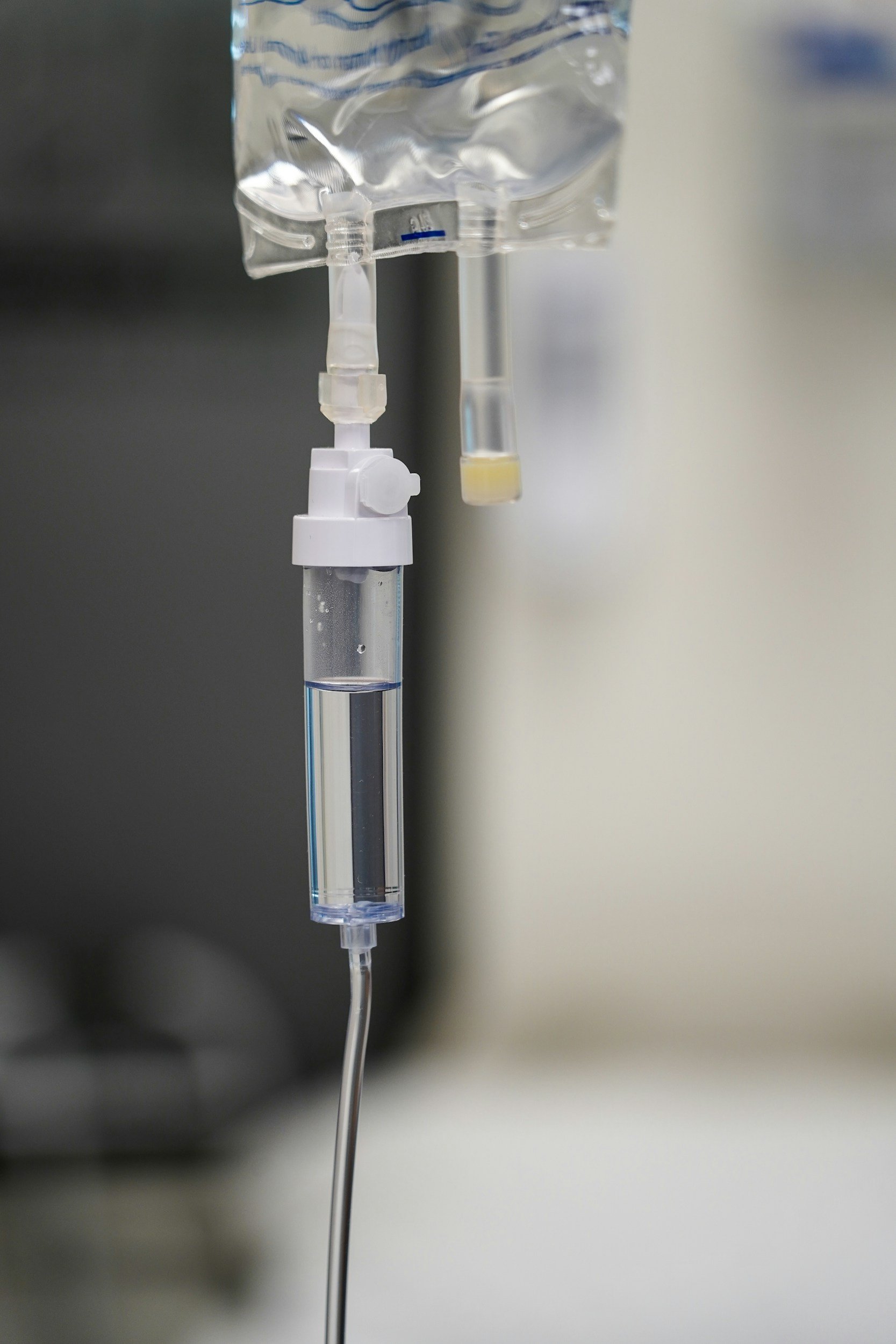
IV sedation is a method of administering sedative medications directly into the bloodstream through an intravenous line. Unlike local anesthesia that numbs specific areas, IV sedation induces a state of deep relaxation and may lead to partial or complete loss of awareness. The goal is to make patients comfortable and stress-free during dental procedures, particularly those like dental implant surgeries.
How does I.V. Sedation Work?
During IV sedation, a trained dental professional will insert a small needle into a vein, usually in the arm or hand, through which the sedative medication is delivered directly into your bloodstream. These medications act quickly, promoting a calming effect on your nervous system and feelings of drowsiness within minutes. Throughout the procedure, the patient remains conscious and able to respond to verbal cues from the dentist, but they are deeply relaxed and may not remember much of the experience afterward.
Before the Procedure:
Before undergoing IV sedation, patients will have a thorough consultation with Dr. Andrew Farkas to discuss their medical history, current medications, and any concerns they may have.
It's essential to follow any pre-sedation instructions provided by the dental team, such as fasting for a certain period before the procedure to prevent complications.
IV sedation is administered directly into your bloodstream, inducing a state of deep relaxation and possibly even sleep.
During the Procedure:
You will feel deeply relaxed and may drift off to sleep during the procedure.
Dr. Farkas will monitor your vital signs closely throughout the procedure to ensure your safety.
After the Procedure:
You will need someone to drive you home and stay with you for several hours until the effects wear off completely.
It's normal to feel groggy or disoriented after IV sedation, so plan to rest and refrain from operating machinery or engaging in strenuous activities for the remainder of the day.
Follow the post-operative care instructions provided by Dr. Farkas