
What is Sedation Dentistry? Common Dental Sedation Questions Answered
This extensive resource addresses common sedation dentistry questions, such as determining what exactly is sedation dentistry, identifying the types of dental sedation, who can benefit from dental sedation, and determining who is good candidate for dental sedation, and how long it takes to recover from dental sedation.
Delve into the details with us, as we unravel the nuances of dental sedation options and guide you toward making informed decisions for a more easeful dental experience.

What is Sedation Dentistry?
Sedation dentistry involves using medications to help patients relax during dental procedures. It's particularly helpful for people who experience anxiety or fear when visiting the dentist or for those undergoing extensive dental work. Sedation can range from mild relaxation to deep unconsciousness, depending on the patient's needs and the type of procedure being performed.
Types of Dental Sedation:

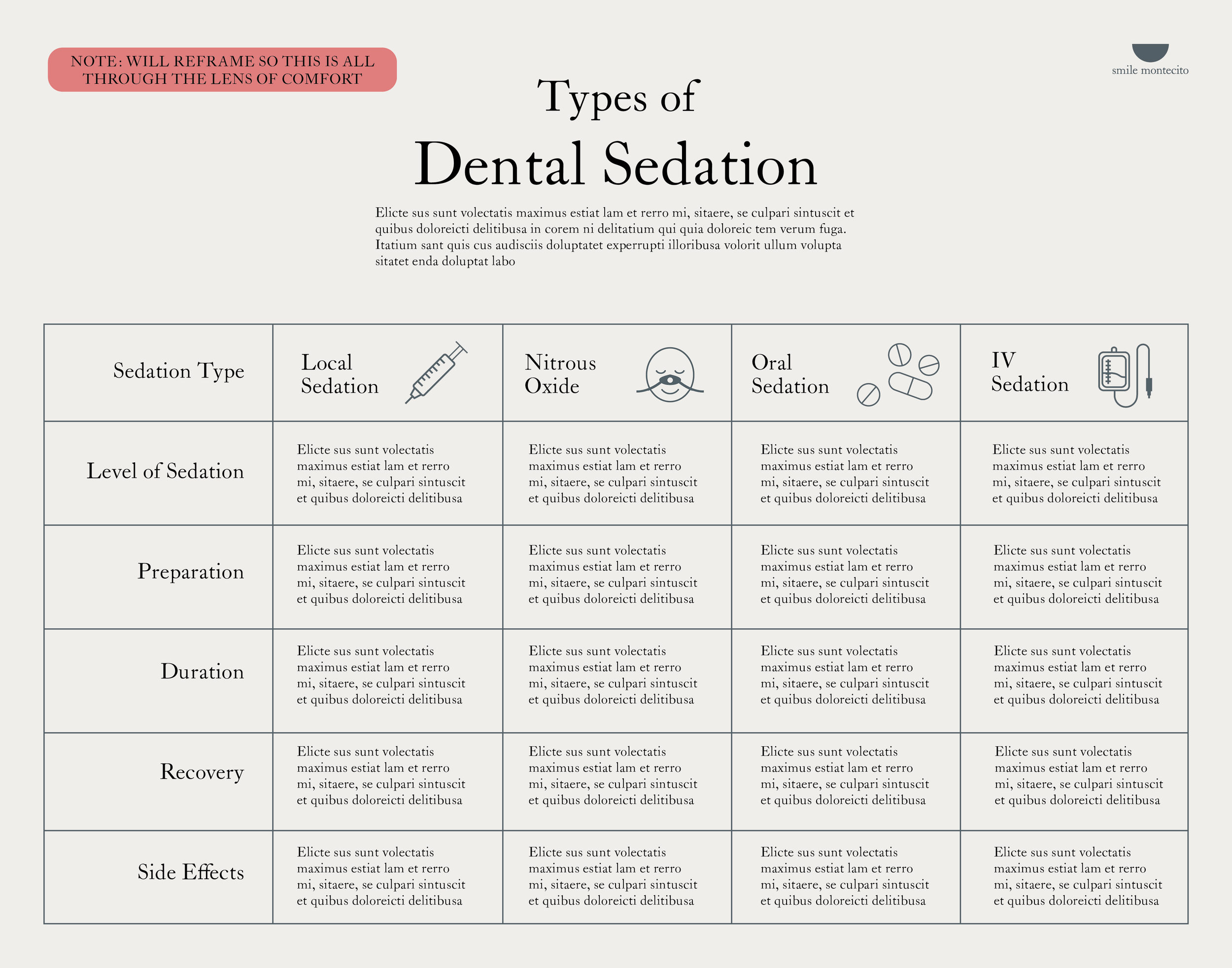
Local Anesthetic
The mildest form of sedation, local anesthesia, is administered directly to the treatment site before the dental procedure begins by injecting a numbing agent such as lidocaine or novocaine into the gums or tissues surrounding the tooth or area being treated. The numbing effect begins within minutes, often accompanied by a slight tingling or stinging sensation at the injection site initially. Patients remain fully conscious, feeling no pain but remaining aware of their surroundings.
Nitrous Oxide
Also known as laughing gas, nitrous oxide is administered through a mask placed over the nose. This method induces a mild sedative effect, promoting relaxation and reducing anxiety. Nitrous oxide is an excellent option for patients with mild dental anxiety, and its effects wear off quickly, allowing individuals to resume their daily activities promptly.
Oral Sedation
For those seeking a deeper level of relaxation, oral sedation may be the answer. Patients take a prescribed pill before the appointment, inducing a calming effect while still allowing them to be conscious. This form of sedation is ideal for moderate anxiety and is often used for more extensive procedures.
I.V. Sedation
Intravenous (I.V.) sedation involves administering sedative drugs directly into the bloodstream through a vein. This method provides a more profound level of sedation, making it suitable for patients with severe anxiety or those undergoing complex dental treatments. With I.V. sedation, patients may not remember the procedure, and they require some time to recover from its effects.
In-Office General Anesthesia
General anesthesia is typically administered by an anesthesiologist who closely monitors the patient's vital signs throughout the procedure. This deep level of sedation induce a state of unconsciousness, rendering the patient completely unaware and unresponsive during the dental procedure.
While Smile Montecito offers a range of sedation options, it's important to note that Dr. Farkas does not provide in-office general anesthesia, instead Dr. Farkas will bring in a board certified anesthesiologist who specializes in dental anesthesia. We focuses on utilizing techniques like nitrous oxide, oral sedation, and intravenous sedation to ensure a relaxed and stress-free experience for our patients. Your well-being is our top priority, and we carefully tailor our approach to meet your individual needs while maintaining the highest standards of care.
Who is a Good Candidate for Sedation Dentistry?

Patients with Dental Anxiety or Phobia:
Many people experience fear or anxiety when visiting the dentist, which can prevent them from seeking necessary dental care. Sedation helps these patients relax and feel more comfortable during their appointments.
Patients with Special Needs:
Individuals with special needs, such as autism or developmental disabilities, may find it challenging to tolerate dental procedures. Sedation can help them remain calm and cooperative during treatment.
Patients with Gag Reflex:
Some patients have a sensitive gag reflex, which can make dental procedures uncomfortable or difficult to perform. Sedation can help suppress the gag reflex, making treatment more manageable.
Patients undergoing Complex Procedures:
For lengthy or complex dental procedures, sedation can help patients remain still and comfortable throughout the treatment process.
Patients with Physical Limitations:
Patients with physical limitations or medical conditions that make it difficult to sit still for long periods may benefit from sedation to help them relax during dental appointments.
Children:
Sedation can be used to help children remain calm and cooperative during dental procedures, particularly for those who are young or have difficulty sitting still. However, Smile Montecito only accepts adult patients.
Ultimately, the decision to use dental sedation depends on the individual patient's needs, medical history, and the type of procedure being performed. Dr. Farkas carefully assess each patient to determine the most appropriate sedation option for their specific situation.
What are the Benefits of Sedation Dentistry?
“One of the primary benefits of sedation dentistry is that it helps alleviate anxiety and fear associated with dental procedures. Patients who are anxious or phobic about visiting the dentist can feel more relaxed and comfortable during their appointments.”
Sedation dentistry offers 8 key benefits for both patients and dental professionals:
Reduced Anxiety and Fear: One of the primary benefits of sedation dentistry is that it helps alleviate anxiety and fear associated with dental procedures. Patients who are anxious or phobic about visiting the dentist can feel more relaxed and comfortable during their appointments.
Increased Comfort:
Sedation helps patients feel more comfortable during dental procedures, especially for those undergoing lengthy or invasive treatments. It can reduce discomfort and make the experience more pleasant.Improved Cooperation:
Sedation can help patients remain still and cooperative during dental procedures, which is particularly beneficial for children, individuals with special needs, or those with physical limitations.Quicker Procedures:
Patients who are sedated may perceive time differently, making procedures seem to pass more quickly. This can be advantageous for both patients and dentists, allowing for more efficient treatment sessionsReduced Gag Reflex:
Sedation can help suppress the gag reflex, making it easier for dentists to perform certain procedures, such as impressions or X-rays, without causing discomfort to the patient.Multiple Procedures in One Visit:
For patients who require extensive dental work, sedation can enable them to undergo multiple procedures in a single visit, minimizing the need for multiple appointments and reducing overall treatment time.Memory Loss:
Some forms of sedation can cause temporary memory loss, which can be beneficial for patients who experience dental anxiety or have traumatic memories associated with dental procedures. The level of memory retention depends on the type of sedation.Enhanced Treatment Quality:
By keeping patients relaxed and cooperative, sedation dentistry can contribute to better treatment outcomes and overall satisfaction with dental care.
How Long Does it Take to Recover from Dental Sedation?

The recovery time from dental sedation can vary depending on several factors, including the type of sedation used, the individual's overall health, and the complexity of the dental procedure. Here’s a general overview of the recovery process for the different types of sedation commonly used in dentistry:
Local Anesthesia:
The effects of local anesthesia typically last for a few hours after the procedure is completed. During this time, you may continue to experience numbness in the treated area, which can affect your ability to speak, eat, and drink normally. It's essential to be cautious during this period to avoid accidentally biting or injuring the numbed area.
Oral Sedation:
The effects of oral sedation typically last for a few hours after the procedure. You may feel groggy or drowsy during this time, so it's essential to have someone accompany you home from your appointment. Most patients feel back to normal within 24 hours after taking oral sedation medication.
Inhaled Sedation (Nitrous Oxide):
Nitrous oxide, also known as laughing gas, wears off quickly once the mask is removed. You'll likely feel back to your normal self within minutes after the gas is turned off. Nitrous oxide is considered one of the safest sedation options, and there is usually no lingering drowsiness or recovery period associated with its use.
Intravenous (IV) Sedation:
Recovery from IV sedation may take slightly longer than with oral or inhaled sedation, as the effects can last for several hours after the procedure. You may feel drowsy or groggy for a period of time following the treatment, so it's crucial to have someone available to drive you home and stay with you until the effects wear off completely. Most patients are back to normal within 24 hours after IV sedation.

Overcome Dental Anxiety with Sedation Dentistry in Montecito, CA
Sedation dentistry at Smile Montecito transcends the traditional dental experience, offering a holistic approach that prioritizes patient comfort and well-being. With our comprehensive sedation dentistry services, we aim to make your dental experience as stress-free and pleasant as possible by offering a comfort menu that caters to your needs.
Don't let dental anxiety prevent you from achieving optimal oral health. Experience ease with sedation dentistry at Smile Montecito, where your comfort is our priority. Whether it's to ease dental anxiety or undergo a complex dental surgery, you can trust Dr. Andrew Farkas to provide you with the highest quality care in a relaxed and welcoming environment.
Say goodbye to dental anxiety and hello to a healthier, happier smile at Smile Montecito. Schedule your appointment today and take the first step towards a more enjoyable dental experience.