
Advanced Dental Technology in Dental Implantology
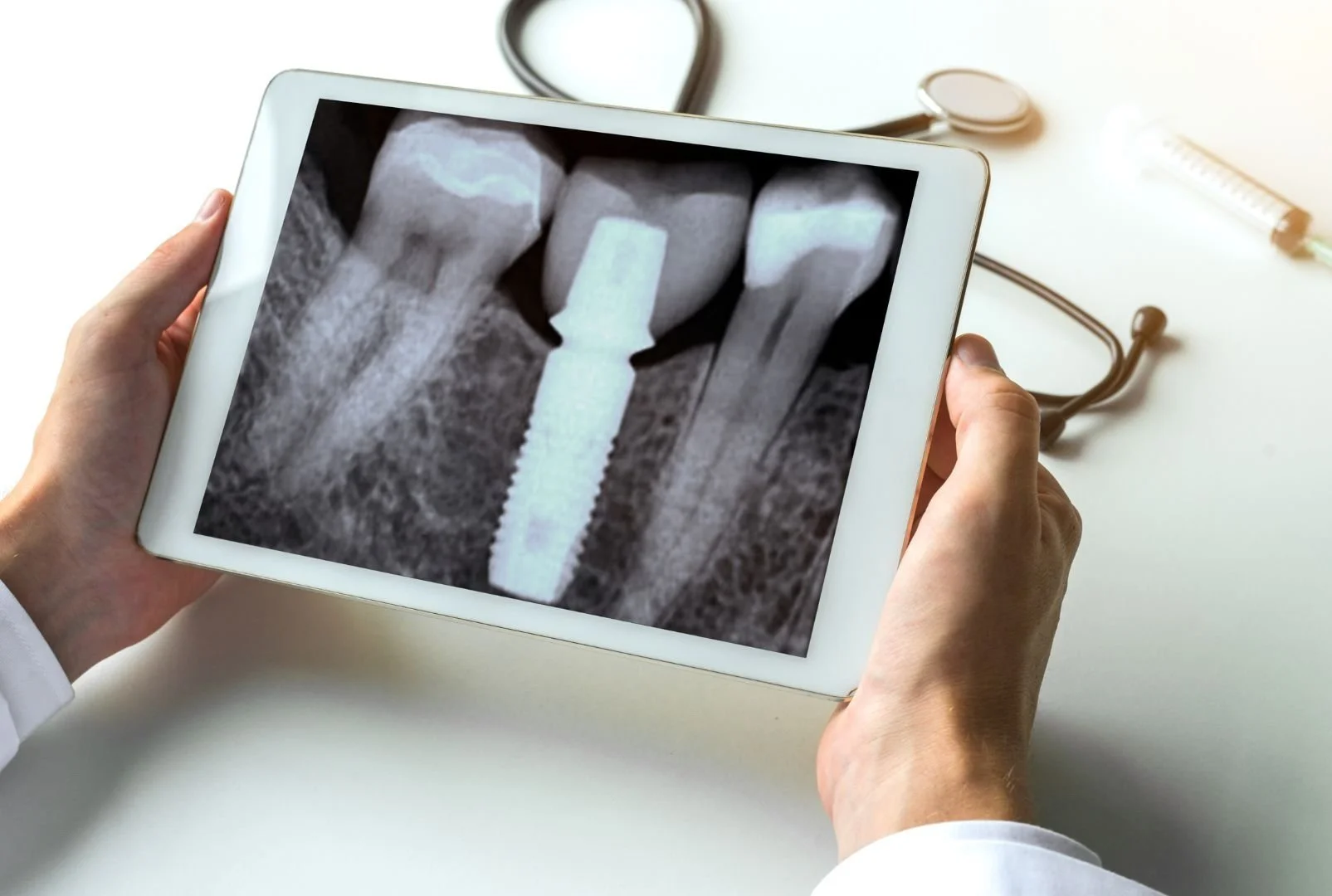
Advanced Dental Implant Technology in Montecito, CA
In the ever-evolving field of dental implantology, the integration of advanced technology has revolutionized the precision, efficiency, and overall success of implant procedures.
At Smile Montecito, we are committed to staying at the forefront of these technological advancements to provide our patients with the best possible outcomes. Let's delve into the innovative technologies that play a crucial role in the planning and execution of dental implant placement:
What biocompatible materials are used for dental implant surgery?
Biocompatible materials used in dental implantology are those that are well-tolerated by the body and promote favorable interactions with surrounding tissues without causing adverse reactions. The most commonly used biocompatible materials in dental implantology include:
Titanium: Titanium and its alloys are the most widely used materials for dental implants due to their excellent biocompatibility, corrosion resistance, and mechanical strength. Titanium implants integrate well with the surrounding bone, a process known as osseointegration, providing long-term stability and durability.
Zirconia: Zirconia implants are gaining popularity as an alternative to titanium. Zirconia is a ceramic material known for its biocompatibility, tooth-like appearance, and excellent aesthetic properties. Zirconia implants offer good tissue response and are particularly suitable for patients with metal allergies or aesthetic concerns.
Hydroxyapatite: Hydroxyapatite is a calcium phosphate compound that closely resembles the mineral component of natural bone. It is often used as a coating on implant surfaces to enhance osseointegration and promote bone formation around the implant.
Bioglass: Bioglass is a bioactive material composed of silicon, calcium, and phosphorus, which stimulates bone regeneration and bonding to the implant surface. It is sometimes used in dental implants to facilitate osseointegration and improve long-term implant success.
Polyetheretherketone (PEEK): PEEK is a high-performance polymer that is biocompatible, lightweight, and radiolucent. It is occasionally used in dental implantology for its favorable mechanical properties and ability to reduce stress on surrounding bone tissue.
These biocompatible materials play a crucial role in the success and longevity of dental implants by promoting tissue integration, minimizing adverse reactions, and providing stable support for prosthetic restorations. The choice of material depends on various factors, including patient-specific considerations, aesthetic preferences, and clinical requirements.
What are Intraoral Scanners? How are Intraoral Scanners used in dentistry?
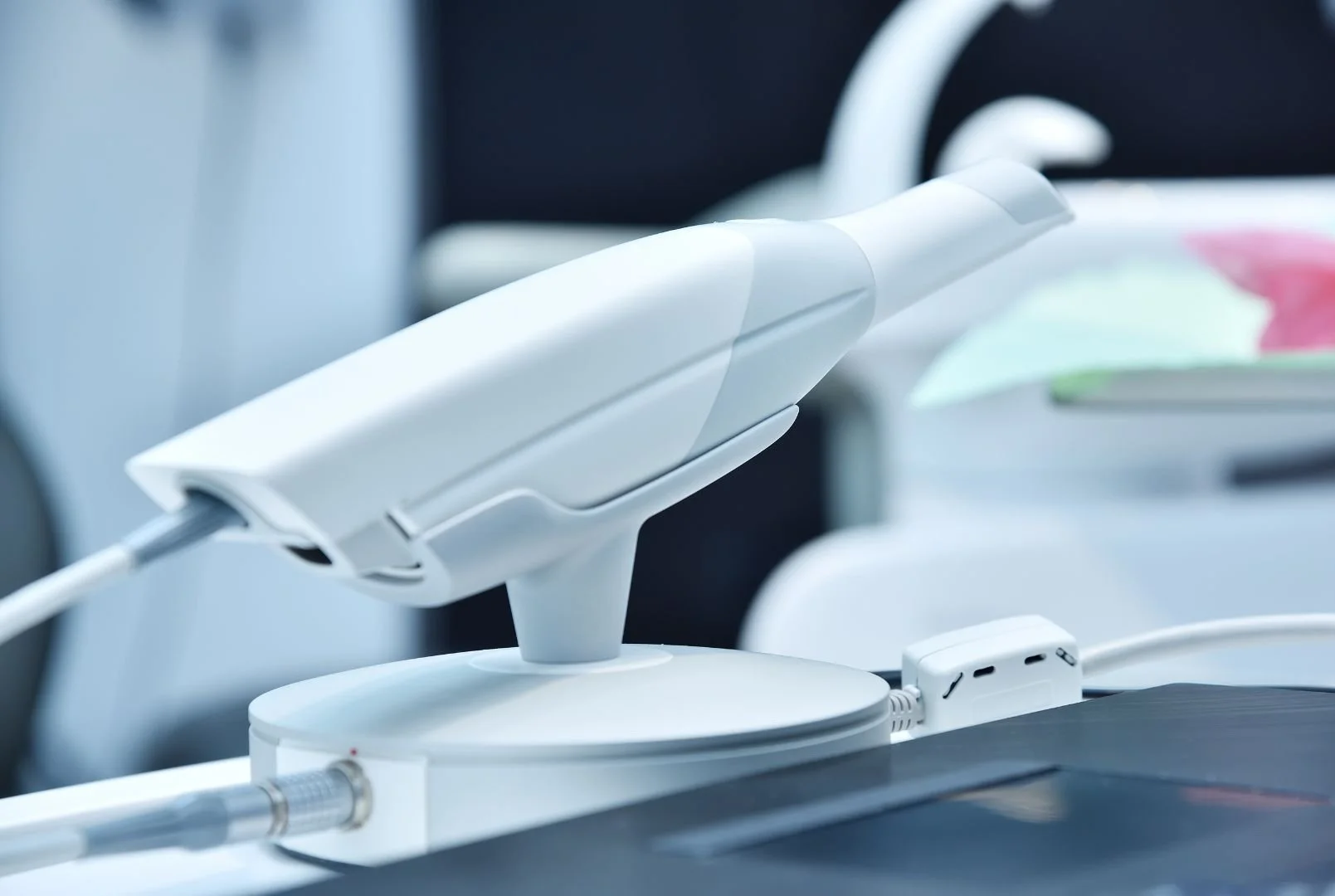
Intraoral scanners are advanced digital devices used in dentistry to capture highly accurate 3D images of the intraoral structures, including teeth, gums, and surrounding tissues. These scanners utilize optical or laser technology to create detailed digital impressions of the oral cavity, replacing the traditional method of using putty-like impression materials.

The process involves the intraoral scanner being inserted into the patient's mouth, where it captures multiple images of the teeth and soft tissues from various angles. These images are then processed and stitched together by specialized software to generate a comprehensive 3D model of the patient's oral anatomy.
At Smile Montecito, our commitment to utilizing advanced technology in dental implantology reflects our dedication to providing the highest standard of care. By embracing these innovations, we enhance the accuracy, efficiency, and overall success of dental implant procedures, ensuring that our patients experience transformative results with minimal discomfort and optimal recovery.
These advancements collectively contribute to making dental implant procedures more predictable, efficient, and patient-friendly, with an emphasis on achieving optimal functional and aesthetic outcomes. However, it's essential to note that the adoption of specific technologies may vary among dental professionals and regions.