
Sinus Lift: What Is It Who Needs It, and What to Expect
Are you considering dental implants but have insufficient bone in your upper jaw? A sinus lift might be the solution you need to achieve a healthy, beautiful smile. At Smile Montecito in Montecito, CA, Dr. Andrew Farkas specializes in implant and sedation dentistry, offering holistic approaches to dental care, including sinus lifts.
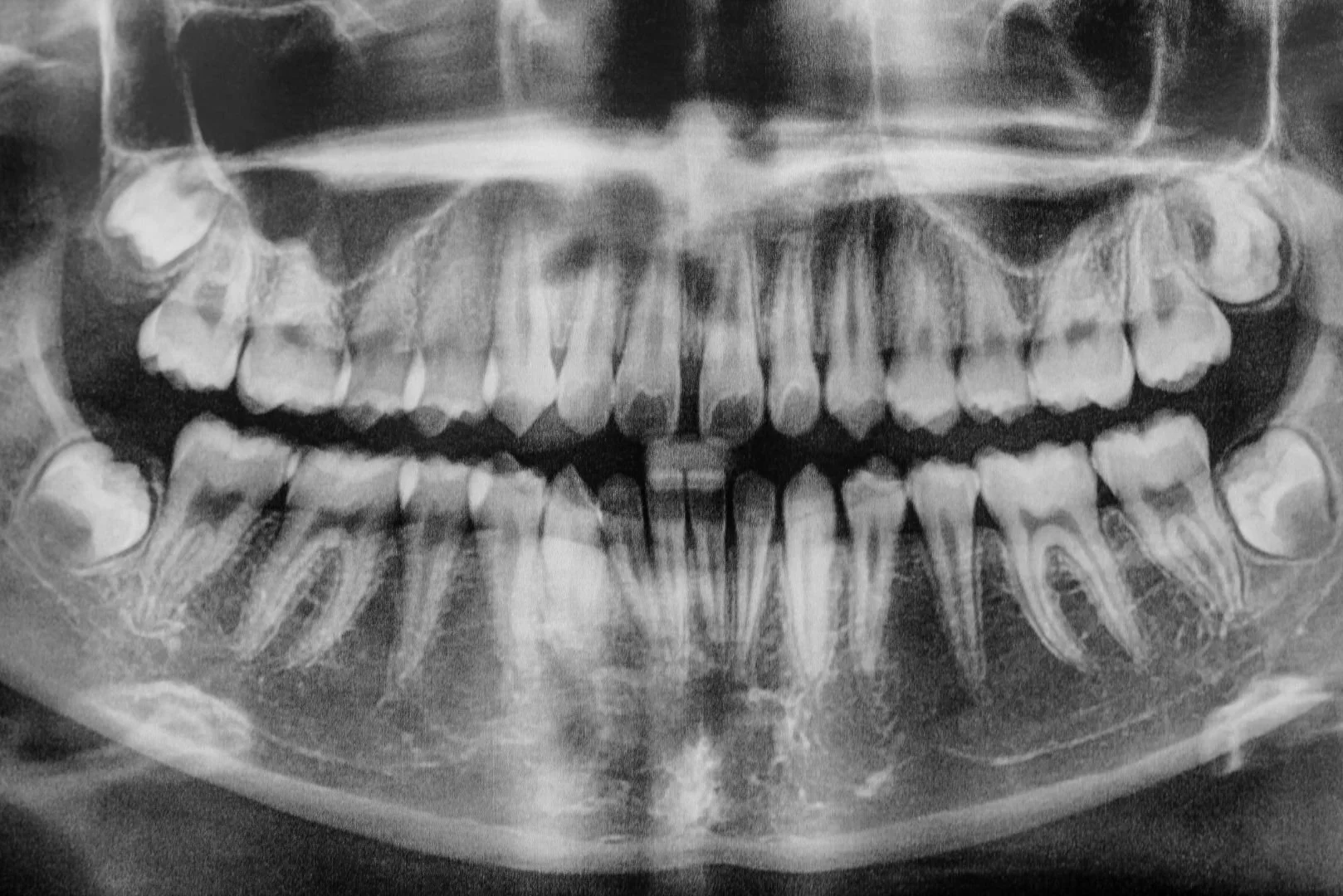
What is a Sinus Lift?
A sinus lift, also known as sinus augmentation or maxillary sinus floor augmentation, is a specialized oral surgical procedure designed to increase the amount of bone in the posterior upper jaw (maxilla), specifically in the region of the molars and premolars. This is achieved by gently elevating (or "lifting") the Schneiderian membrane that lines the floor of the maxillary sinus and placing bone graft material into the newly created space.
The procedure is most commonly performed when there is insufficient bone height or volume in the upper jaw to support dental implants securely. This bone deficiency often results from factors such as tooth loss (leading to natural bone resorption over time), periodontal disease, or the natural anatomy where the maxillary sinuses are positioned close to the jawbone.
By augmenting the bone between the sinus floor and the alveolar ridge, a sinus lift creates a stable, adequate foundation for the successful placement and long-term osseointegration of dental implants.
This is a routine and predictable procedure in implant dentistry, with high success rates when proper patient selection and technique are employed. Healing generally takes several months before implants can be placed, allowing the grafted bone to integrate fully.
What are the types of Sinus Lifts?
1. Lateral Window Technique (Direct Sinus Lift)
This is the traditional and most common method, often considered the gold standard for predictability, especially in cases of significant bone deficiency.
Indications: Typically used when residual bone height is low (e.g., less than 4–6 mm), requiring substantial bone augmentation.
Procedure overview:
A small incision is made in the gum on the side of the upper jaw to expose the lateral (outer) wall of the maxillary sinus.
A "window" is carefully created in the bone using drills, piezotomes (ultrasonic tools for reduced risk), or specialized kits.
The sinus membrane is gently detached and elevated upward.
Bone graft material is placed into the space beneath the lifted membrane.
The window may be covered with a membrane, and the site is closed.
Advantages: Allows for greater bone volume addition; excellent visualization and control; high long-term success rates.
Disadvantages: More invasive (requires flap elevation and bone window creation); longer healing time before implant placement (often 4–9 months); slightly higher risk of complications like membrane perforation if not performed carefully.
2. Crestal Approach (Indirect/Transalveolar/Osteotome Technique)
This is a less invasive method that accesses the sinus floor from the top (through the alveolar ridge where the implant will go).
Indications: Best for mild to moderate bone deficiency (e.g., residual bone height of 5–9 mm or more), when only a small elevation (typically <4–5 mm) is needed.
Procedure overview:
The implant site is prepared with drills or osteotomes (specialized chisels/tappers).
The sinus floor is gently fractured and elevated using controlled tapping or hydraulic pressure.
Bone graft material may be added through the osteotomy site.
The dental implant is often placed simultaneously (immediate placement).
Advantages: Minimally invasive (no large flap or lateral window); shorter surgery time; faster recovery; lower postoperative discomfort; often allows simultaneous implant placement.
Disadvantages: Limited to smaller augmentations; "blind" technique (less direct visualization, relying on tactile feedback); potential for benign complications like temporary vertigo from tapping; higher risk of membrane perforation in inexperienced hands.
Who Needs a Sinus Lift?
You may benefit from a sinus lift if you:
Have experienced bone loss in the upper jaw due to periodontal disease or tooth loss.
Have a naturally thin jawbone in the upper posterior area.
Are considering dental implants but lack sufficient bone height in the upper jaw.
Dr. Farkas will evaluate your dental health and discuss whether a sinus lift is the right option for you during your initial consultation at Smile Montecito.
Benefits of a Sinus Lift
Enables successful placement of dental implants in the upper jaw.
Restores bone height and density for a strong foundation.
Improves the longevity and stability of dental implants.
Enhances your ability to chew, speak, and smile confidently.

What to Expect Before, During, and After a Sinus Lift Procedure

Before the procedure:
Preparation and Planning:
Before the surgery, Dr. Farkas will conduct a thorough examination of your oral and medical history, as well as advanced dental imaging technology such as 3-D X-rays or CT scans to assess the bone quality and the position of your sinuses. He will then use this information to determine the most appropriate approach for the sinus lift and build a comprehensive treatment plan. In addition, you'll receive instructions on pre-operative care, including medication and dietary restrictions.
During the procedure:
Anesthesia & Sedation:
The procedure is typically performed under local anesthesia, but sedation or general anesthesia may be used for anxious patients or more complex cases.
Sinus Lift Surgical Procedure:
Incision:
Once the area is numb, your dentist will make an incision in the gum tissue near the back of your mouth to expose the underlying bone.Accessing the Sinus:
After the incision, your dentist will create a small opening in the bone to access the sinus cavity.Lifting the Sinus Membrane:
The sinus membrane, which lines the sinus cavity, is gently pushed upward, effectively creating a space between the sinus membrane and the jawbone.Bone Graft Placement:
With the sinus membrane lifted, your dentist will then place bone graft material into the space created between the jawbone and the sinus membrane. The bone graft can be sourced from your own body (autogenous bone), from a donor (allograft), or synthetic materials (alloplastic grafts). The bone graft serves as a scaffold for new bone growth.Stitches:
Once the bone graft material is in place, the incision is stitched closed. The stitches may be self-dissolving or require removal after a certain period.

After the procedure:
Initial Healing
After the sinus lift surgery, the initial healing phase begins. During this time, the body's natural healing processes work to close the incision, reduce inflammation, and stabilize the bone graft material within the sinus cavity. Patients may experience some discomfort, swelling, and minor bleeding during this phase, which can typically be managed with prescribed medication, ice packs, and following post-operative care instructions.
Bone Regeneration
Over the following months, the bone graft material placed during the sinus lift procedure serves as a scaffold for new bone growth. The body gradually replaces the bone graft material with new bone tissue, a process known as bone regeneration or osseointegration. This stage of healing is critical for increasing the height and density of the bone in the area of the sinus lift.
Integration of Dental Implants:
Once sufficient bone regeneration has occurred, typically after 4 to 9 months, depending on the individual case, the newly augmented bone is assessed to ensure it is ready for dental implant placement. Dental implants are surgically placed into the augmented bone to support replacement teeth. The integration of dental implants with the surrounding bone, known as osseointegration, is essential for the long-term success and stability of the implants. This process typically takes an additional 6 months.
“The final restoration completes the process, allowing patients to enjoy the benefits of improved oral function, appearance, and overall quality of life.”
Final Restoration:
The final restoration phase begins after the dental implants have fully integrated with the bone. This involves attaching abutments to the implants and placing prosthetic teeth (crowns, bridges, or dentures) onto the abutments to restore function and aesthetics. The final restoration completes the process, allowing patients to enjoy the benefits of improved oral function, appearance, and overall quality of life.
Throughout each stage of the process, regular follow-up visits with Dr. Farkas, DDS, are necessary to monitor healing progress, assess the stability of the implants, and address any issues or concerns that may arise. By following post-operative instructions and maintaining good oral hygiene, patients can maximize the success of their sinus lift procedure and achieve optimal outcomes in terms of oral health and function.