
Titanium vs. Zirconia Implants
What are the Differences Between Titanium and Zirconia Implants?
Dr. Farkas works closely with you to understand your preferences and guide you in selecting the most suitable implant material for your unique circumstances. Whether it's the time-tested reliability of titanium or the aesthetic appeal of zirconia, Smile Montecito’s goal is to provide patients with prosthetic solutions that not only restore function but also enhance their confidence and overall well-being.
The choice between titanium and zirconia implants often depends on individual preferences, aesthetic considerations, and the specific needs of the patient. Titanium implants are well-established, widely used, and have a proven track record of success. Zirconia implants, while newer, appeal to patients seeking a metal-free solution with excellent aesthetics.
“Titanium implants are well-established, widely used, and have a proven track record of success. Zirconia implants, while newer, appeal to patients seeking a metal-free solution with excellent aesthetics.”
What are Titanium Implants?
Traditionally, titanium implants have been the standard in dental implantology. These implants are known for their strength, durability, and successful integration with the jawbone through a process called osseointegration. Titanium implants are versatile and compatible with various prosthetic options. They have a long track record of success and are often the preferred choice for many patients.
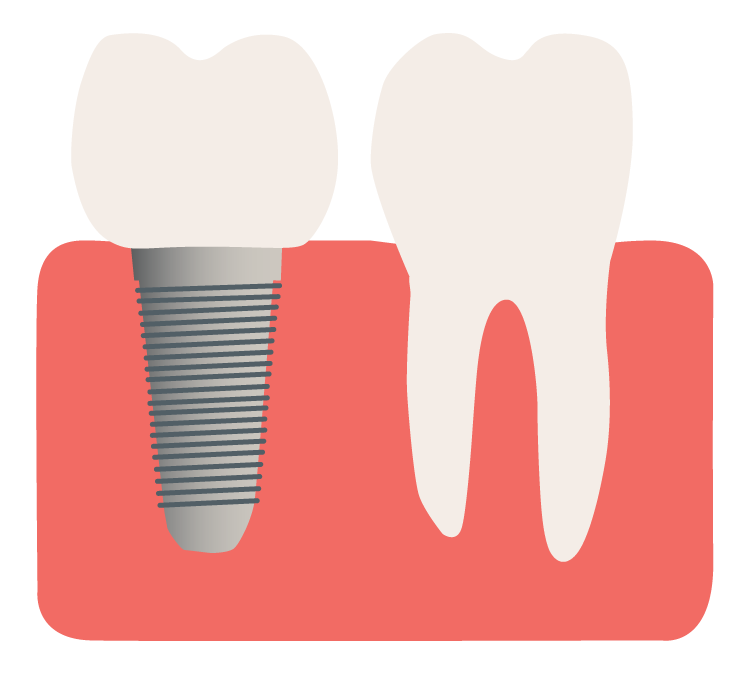
Titanium Implant
Benefits of Titanium Implants:
Proven Track Record: Titanium implants have been extensively used in dentistry for several decades, demonstrating a high success rate and long-term stability.
Strength and Durability: Titanium is known for its strength and durability, providing a reliable foundation for various prosthetic options, including single crowns, bridges, and dentures.
Osseointegration: Titanium has the unique ability to integrate with the jawbone through osseointegration, promoting a secure and stable connection between the implant and the surrounding bone tissue.
Versatility: Titanium implants are versatile and suitable for a wide range of clinical situations, making them the preferred choice for many dental professionals.
Cost-Effectiveness: Generally, titanium implants are more cost-effective compared to zirconia implants, making them a practical choice for patients with budget considerations.
Potential Risks of Titanium Implants:
Metal Allergy Concerns: Although rare, some individuals may have allergies or sensitivities to metals, including titanium. Allergic reactions can lead to inflammation and discomfort around the implant site.
Aesthetic Considerations: The metallic color of titanium may be visible through the gums in patients with thin or receding gum tissue, impacting the overall aesthetic appearance.
What are Zirconia Implants?

Zirconia Implant
Zirconia implants, on the other hand, are a newer alternative gaining popularity due to their aesthetic advantages and biocompatibility. Zirconia is a ceramic material that closely resembles natural teeth, making it an appealing option for those concerned about the metallic appearance of titanium. Zirconia implants offer excellent strength and are resistant to corrosion. While they may not have as extensive a history as titanium, their use is increasing, especially in cases where patients prefer a metal-free option.
Benefits of Zirconia Implants:
Aesthetic Appeal: Zirconia implants closely mimic the appearance of natural teeth, making them an excellent choice for individuals who prioritize a metal-free and aesthetically pleasing solution.
Biocompatibility: Zirconia is a biocompatible material, meaning it is less likely to cause allergic reactions or sensitivities. This makes it a suitable option for individuals with metal allergies.
Corrosion Resistance: Zirconia is resistant to corrosion, ensuring long-term stability and reducing the risk of any metallic taste or odor.
Low Thermal Conductivity: Zirconia has a low thermal conductivity, which means it does not transmit heat and cold as much as metal. This characteristic can contribute to a more comfortable experience for patients.
“Zirconia implants offer excellent strength and are resistant to corrosion. While they may not have as extensive a history as titanium, their use is increasing, especially in cases where patients prefer a metal-free option.”
Potential Risks of Zirconia Implants:
Limited Long-Term Data: Zirconia implants, while promising, have a shorter history of use compared to titanium. Long-term data on their performance is still emerging.
Potential Fracture Risk: Zirconia implants may have a higher risk of fracture compared to titanium, especially in situations of excessive force or stress. However, advancements in material technology are continuously addressing this concern.
Complex Manufacturing Process: Zirconia implants require a more complex manufacturing process, potentially leading to higher costs compared to traditional titanium implants.
Limited Versatility: Zirconia implants may have limitations in certain clinical situations, and their use may be more suitable for specific cases.